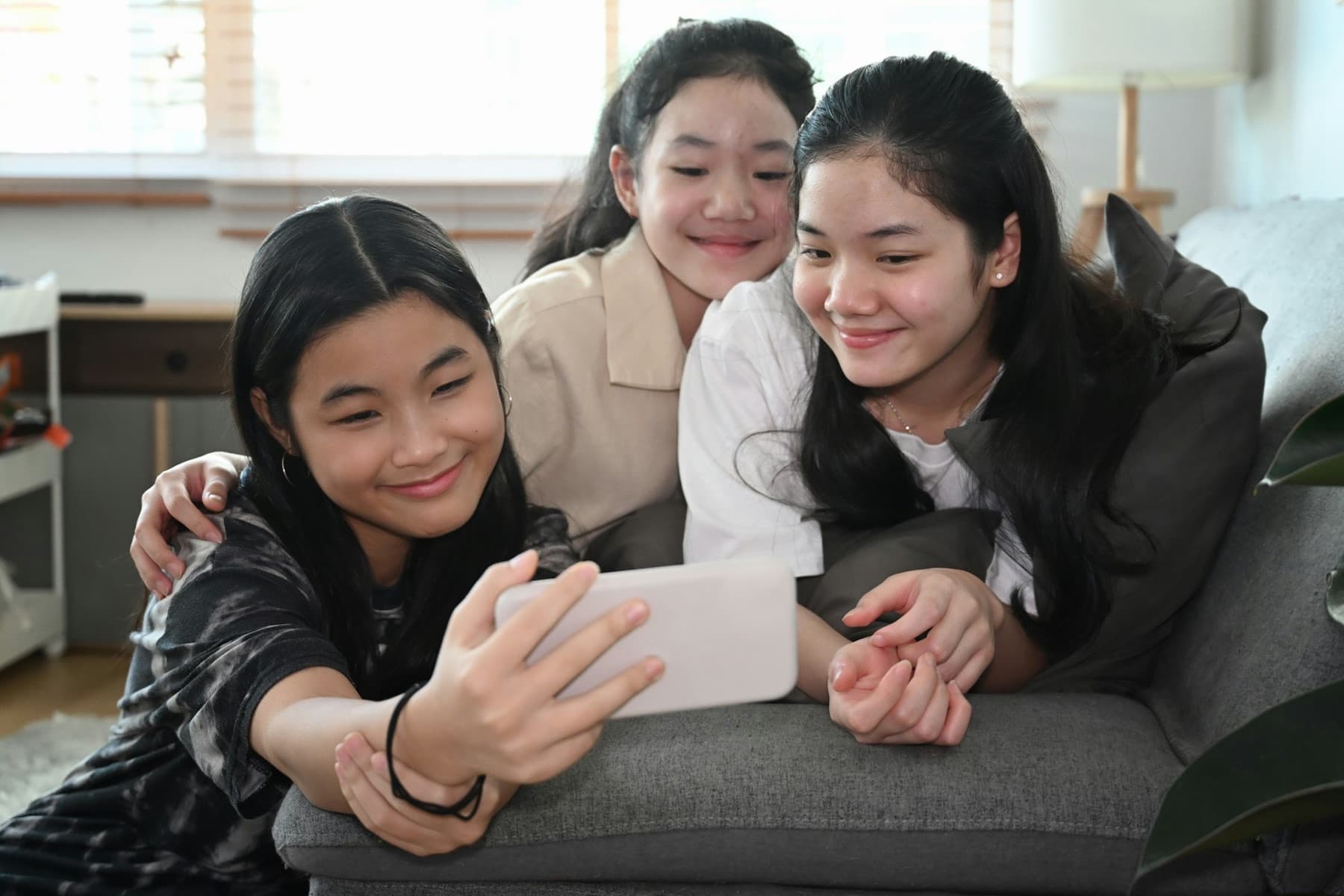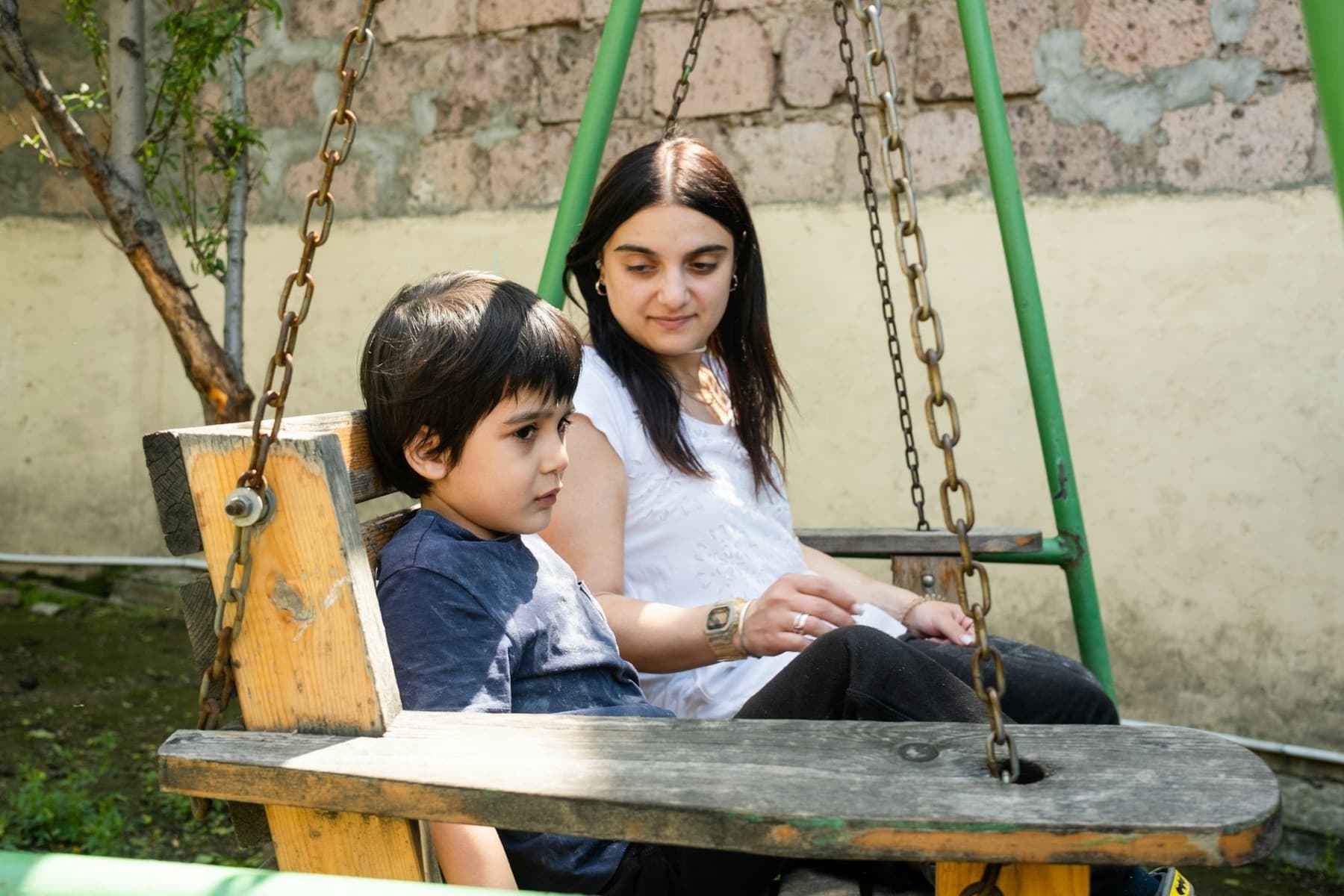
Social connection is one of the most fundamental human needs, yet for many people with disability, building genuine friendships can feel like a significant challenge. The barriers are real and varied. They can include communication differences, social anxiety, limited access to community spaces, and genuine safety concerns about who participants are spending time with. The good news is that with the right support and strategies, these barriers can be meaningfully reduced. Horizons Support Network works alongside participants and families to develop social skills, build community connections, and ensure that the process of making friends is both enriching and safe.
Start with Shared Interests
Friendships form most naturally around shared activities. When two people are both focused on something they enjoy, the social interaction happens alongside the activity rather than being the activity itself, which takes a lot of the pressure off.
Start by helping your loved one identify what they genuinely enjoy. Whether that is a specific sport, a creative hobby, a favourite topic to talk about, gaming, cooking, or animals, there is almost always a community group, club, or class built around that interest. These contexts provide a ready-made social environment where connection feels natural rather than forced.
Your support worker can assist with identifying suitable local groups and accompanying your loved one to initial sessions until they feel comfortable attending more independently.
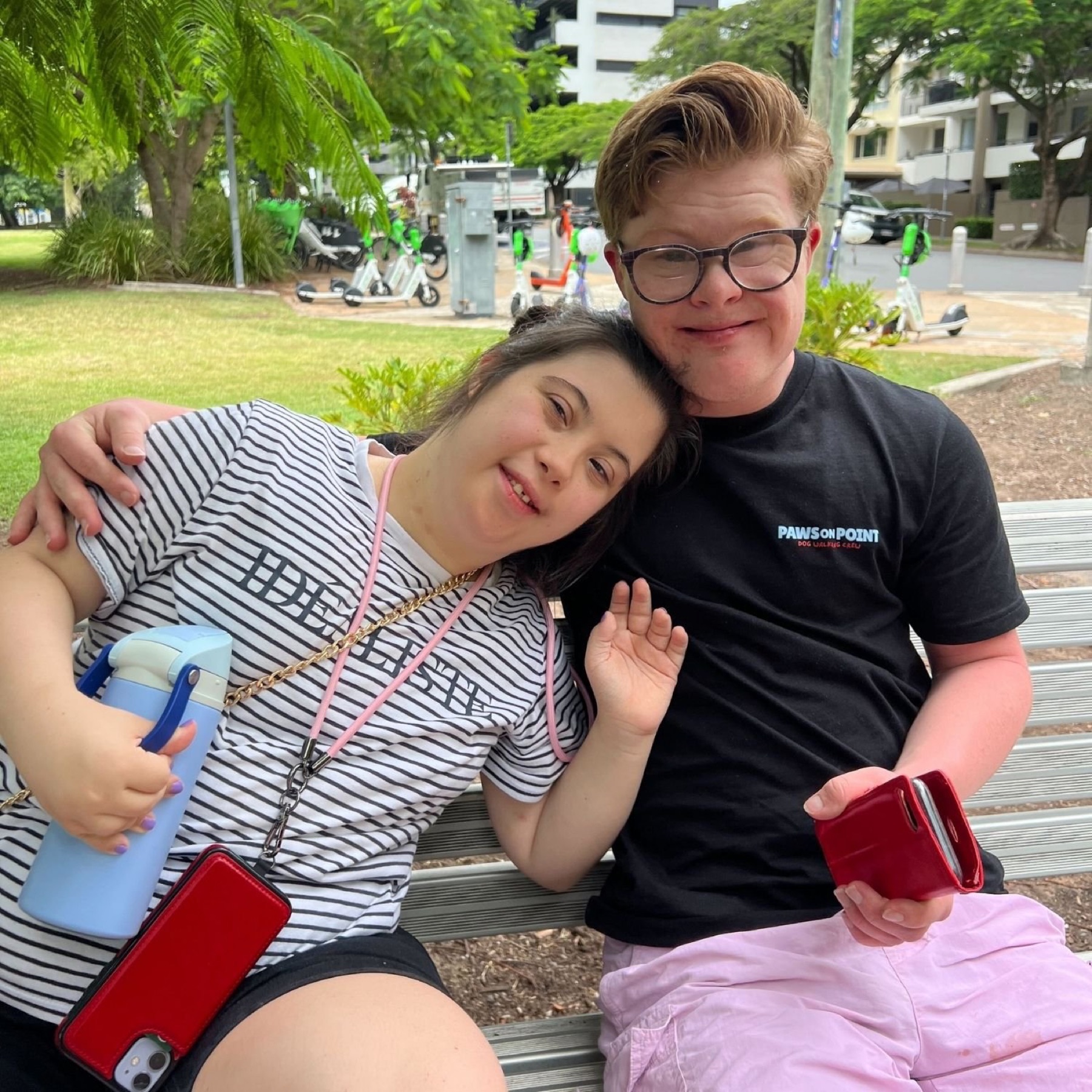
Teach Friendship Safety Skills
Safety in social settings is important for everyone. For people with disability who may be more vulnerable to manipulation, exploitation, or boundary violations, safety skills are an essential part of preparing for social independence.
Teaching your loved one the difference between trusted people and acquaintances, how to recognise unsafe requests, and what to do if they ever feel uncomfortable or pressured is foundational work. It is not about creating fear. It is about building the awareness and confidence to enjoy social life fully.
Role-playing common social scenarios is one of the most effective ways to make these lessons practical. Running through situations like being asked to keep a secret from parents, being offered something unexpected by a new acquaintance, or feeling uncomfortable at a gathering helps participants practise the responses they will draw on when these moments arise in real life.
Support Gradual, Supervised Socialising
For participants who are new to socialising more independently, a gradual approach is far more effective than throwing them in the deep end. Start with structured group activities where a support worker or trusted adult is present and can facilitate where needed.
As comfort grows and social skills strengthen, the level of supervision can naturally reduce. Patience and consistency are key throughout this process. Pushing too quickly can increase anxiety and set back progress, while moving at the participant's pace builds genuine confidence that transfers to new situations.
Use Supported Social Groups
Many NDIS service providers, including Horizons Support Network, offer group-based social activities designed specifically for participants. These settings are inclusive, facilitated by experienced support workers, and designed to encourage genuine connection rather than simply supervised coexistence.
Group programs often include activities like cooking, art, sports, community outings, and games. The social skills developed in these supported settings, such as taking turns, managing conflict, and showing interest in others, gradually transfer to everyday community interactions.

Involve Families in the Process
Families play a vital and often underestimated role in helping participants build social confidence. Facilitating play dates or social outings, attending community events together, and talking openly and positively about friendships at home all contribute to a social mindset.
Encouraging your loved one to share their social experiences without judgment and celebrating positive interactions, however small, builds the trust and openness that supports growth. When families and support workers are aligned in how they approach social development, participants benefit enormously.
For a fuller Brisbane guide to NDIS community participation and making friends safely, read Making friends safely.
Ready to get started?
Contact Horizons Support Network today for a friendly chat about how we can help you or your loved one.
We are here to make your NDIS journey easier.