Last checked: 10 July 2026. The widely discussed change to NDIS social, civic and community participation budgets is still proposed. It has not already reduced every participant's plan.
The Australian Government says it intends to begin a progressive budget-allocation reset from 1 October 2026 if the enabling legislation and implementation proceed. This guide explains that proposal accurately and checks three Brisbane outing options against current venue information.
What is proposed for October 2026?
The National Disability Insurance Scheme Amendment (Securing the NDIS for Future Generations) Bill 2026 is still before Parliament. The Parliament bill progress record for 2 July 2026 shows that it was read a third time in the House of Representatives. As at 10 July, the Senate committee inquiry was continuing and the Bill had not passed the Senate or received Royal Assent. It has not completed Parliament or become law.
The Department of Health, Disability and Ageing says that, if the legislation and implementation proceed, social, civic and community participation budget allocations are planned to reset by 50 per cent. The stated start is 1 October 2026, with the change happening progressively as participants' plans are renewed or reassessed over a 12-month period.
This is a proposed allocation change, not a statement that every participant has already lost half of their funding. Participants should continue to follow their current written plan unless the NDIA formally changes it.
Why a 50 per cent allocation reset may not mean 50 per cent less actual spending
The Department expressly says the proposed 50 per cent allocation reset will not necessarily produce a 50 per cent reduction in how much a participant spends. One reason is that a participant may not currently use all of the allocated budget.
The practical effect would depend on the legislation, final implementation, the timing of an individual plan renewal or reassessment, and the participant's plan. It is not responsible to predict an individual result from the headline percentage.
Questions about a particular plan or future funding decision should go to the NDIA or the participant's NDIS contact. A Support Coordinator can help with plan implementation if that support is funded, while a plan manager can answer current budget, invoice and payment questions. An independent advocate or legal adviser can help where advocacy or legal advice is needed. A support-worker provider cannot guarantee the amount or structure of a future plan.
Plan outings using the arrangements that apply now
Community outings should start with the participant's interests, preferences, access requirements, and current approved plan. A lower entry price can be helpful, but it does not make an activity suitable for everyone or determine whether a cost can be paid from NDIS funding.
Before deciding on an outing:
- check the current plan and service agreement
- confirm the venue's physical, sensory, communication, and personal-care access
- check entry fees, companion arrangements, booking requirements, opening times, and cancellation conditions
- confirm transport, weather, rest breaks, food, medication, and emergency needs
- ask the participant how they want to take part and what support they prefer
Option 1: QAGOMA in South Brisbane
The Queensland Art Gallery and Gallery of Modern Art are at Stanley Place, South Brisbane. The current QAGOMA visitor page says general entry is free and includes most exhibitions, screenings, and programs. Some exhibitions and special events are ticketed, so check the event listing before travelling.
QAGOMA's current accessibility information says both galleries have mobility and wheelchair access. It also lists wheelchairs available free of charge subject to booking and availability, an Adult Change Facility at GOMA, hearing support in the Australian Cinémathèque, Companion Card arrangements for paid exhibitions and selected programs, and free sensory kits for use during a visit.
High-sensory areas may be signposted and quiet zones may be available. QAGOMA also publishes an events calendar with accessibility filters. Check the specific exhibition or event because content, ticketing, sensory conditions, and access arrangements can differ.
For a practical local guide to quieter museum sessions, parks, and venue checks, see autism-friendly outings in Brisbane.
Option 2: Story Bridge Accessible Climb
The Story Bridge Accessible Climb is not a generic free or low-cost community outing. It is a paid private-group experience that requires advance enquiry and booking.
The operator says the experience uses a specially designed motorised stair-climbing wheelchair and can include one wheelchair user within a private group. Its current page also lists companion, age, weight, group-size, scheduling, and safety requirements.
Do not arrive expecting to join a standard public session. Contact the operator first and confirm that the experience is suitable. Check the current price, minimum group size, companion requirements, dates, booking terms, access route, safety restrictions, and cancellation conditions before travelling.
Option 3: Access Arts workshops
Access Arts' current Performing Arts Workshops page describes a supportive program for performers with disability across different experience levels. It says the 2026 program brings Access Arts and Screech Arts together for workshops, performances, and creative development, with performing arts workshops delivered by Screech Arts.
This is a structured workshop program, not an activity that should be treated as an unbooked venue visit. Review the current program and contact the organiser to confirm the timetable, location, fees, enrolment process, available places, access arrangements, support-person expectations, and whether the workshop is suitable for the participant.
Check every outing before travelling
Venue information changes. A page that was accurate when this article was checked may not reflect a later closure, sold-out session, price change, maintenance issue, or access update.
Use the venue's current page or contact channel shortly before the outing. Ask specific questions rather than relying on a general accessibility label. Useful questions include:
- Is step-free access available from arrival to the activity space?
- Is an accessible toilet or Adult Change Facility available?
- Are there quiet spaces, sensory information, or a lower-sensory session?
- Does the participant or companion need a ticket or advance booking?
- Are there age, weight, group, clothing, health, or safety restrictions?
- Who should be contacted if access needs change on the day?
Where HORIZONS fits, and where it does not
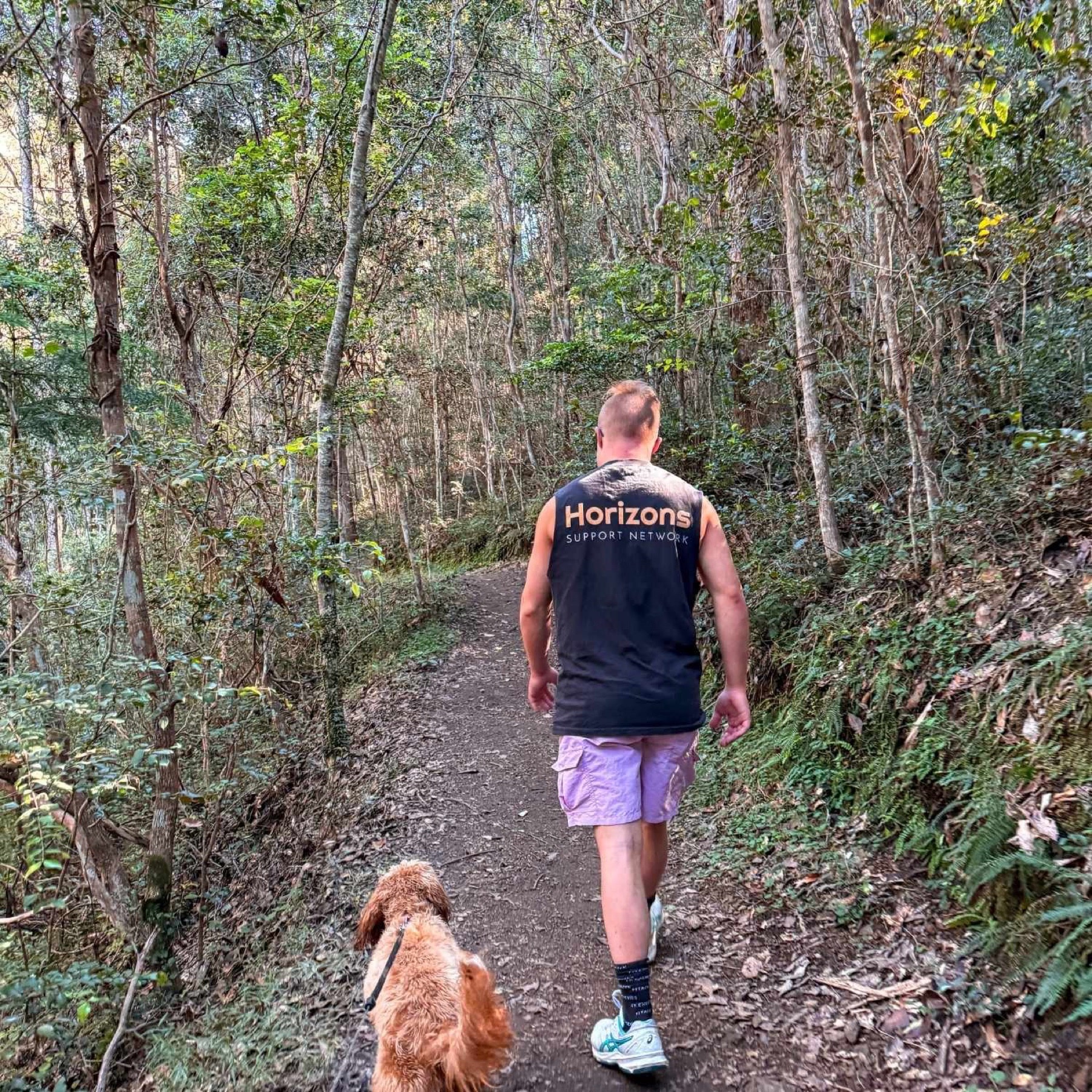
HORIZONS Support Network is a non-registered support-worker provider for self-managed and plan-managed participants only. We do not support NDIA-managed participants. Our Brisbane services are daily personal activities, independent living skills, social and community participation and Short Term Respite when they fit a participant's current approved plan and service agreement.
We do not provide Supported Independent Living (SIL), clinical services, Support Coordination, plan management, advocacy or legal advice. We cannot guarantee funding, predict a future budget, interpret proposed legislation for an individual or decide whether an activity cost can be claimed.
Our role is to plan agreed support-worker assistance with the participant, follow their preferences, help check practical outing details, and deliver the service safely. Funding and plan questions should go to the appropriate NDIA contact or qualified independent adviser.
Official sources
- Parliament of Australia: Bill progress record for 2 July 2026
- Parliament of Australia: Senate inquiry into the Future Generations Bill 2026
- Department of Health, Disability and Ageing: About the proposed NDIS changes
- QAGOMA: Visitor information
- QAGOMA: Accessibility information
- Story Bridge Adventure Climb: Accessible Climb
- Access Arts: Performing Arts Workshops
This article provides general information only. It is not funding, plan management, Support Coordination, policy, or legal advice. Check official NDIS information and each venue's current details before making decisions.