Step 01: Work out what's getting in the way
We start by understanding what is limiting independence, the real barriers in everyday life.
Good support is not guesswork. The Horizons Method is the seven steps we follow with every participant, turning a goal into a plan, and a plan into real progress you can see.
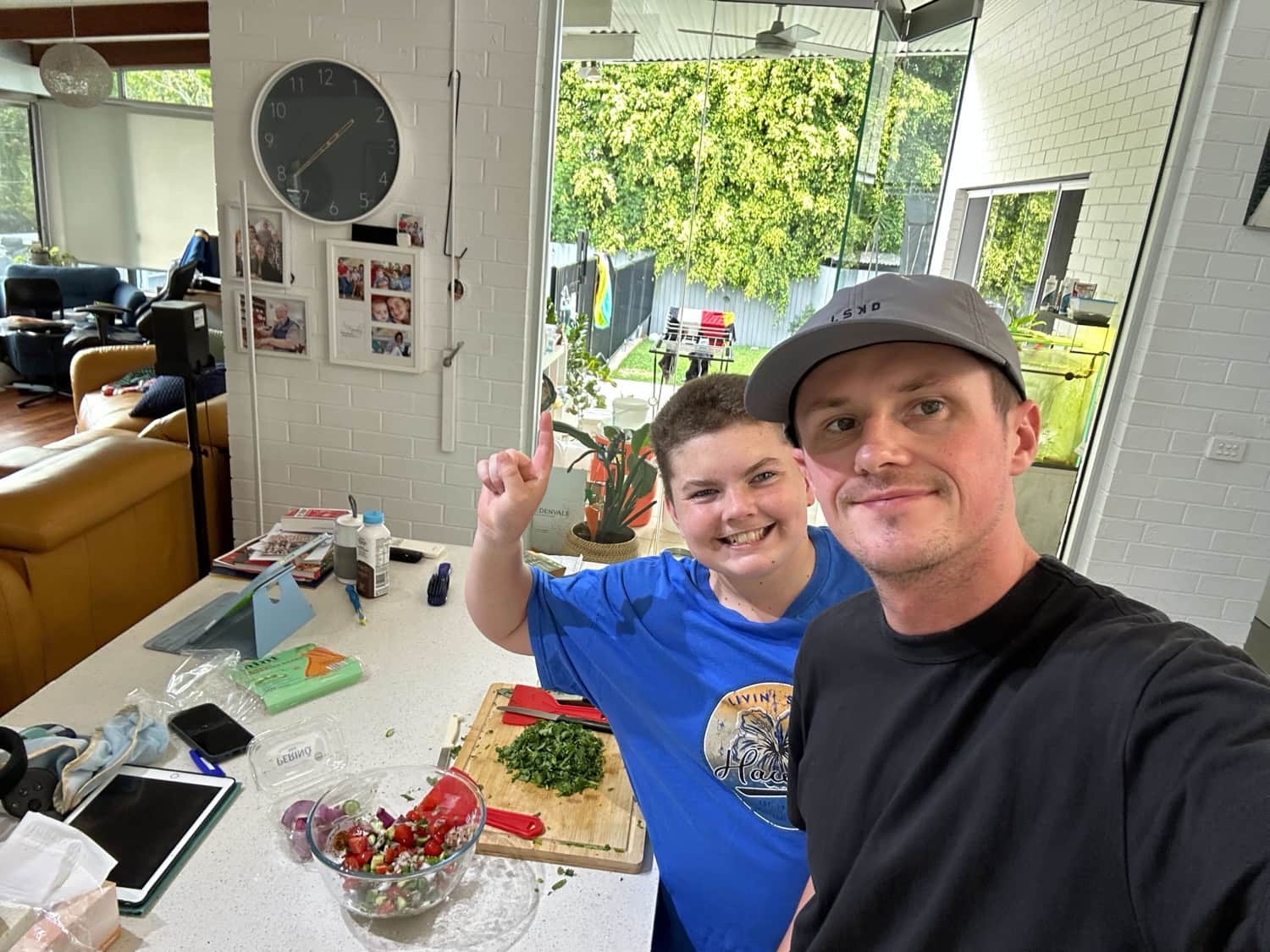
Every participant is different, so the plan is too. But the method underneath stays the same, a clear path we follow together, step by step.
We start by understanding what is limiting independence, the real barriers in everyday life.
We spend time noticing what works, what does not, and how things change, so support is built on real understanding, not guesswork.
We talk through practical, achievable ideas, shaped around the person and the goal they are working towards.
We work alongside your OTs, support coordinators and physiotherapists, putting their recommendations into daily practice. We are support workers, not therapists, so the clinical guidance stays with your allied health team and we help carry it through day to day.
We put together the things that make life easier, such as visual guides, simple step-by-step plans and everyday routines.
We try it out in real life and keep adjusting until it works for the participant's unique needs.
We celebrate progress and adjust as needed, building independence step by step.
The method only matters if it works in real life. Here is what it looks like for three of the people we support across Brisbane.
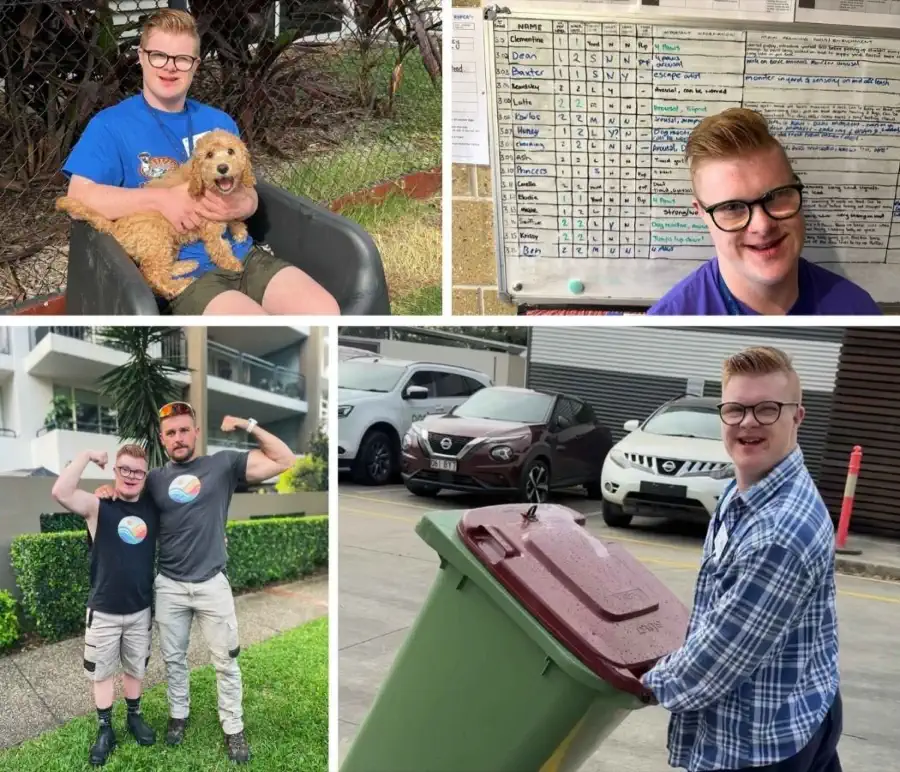
Xavier's long-term goal is to work at Bunnings. Before a paid job he needed a structured stepping stone to build workplace readiness, communication skills, physical stamina and the confidence that comes from a real weekly routine.
Through many chats with his parents we identified volunteering at the RSPCA as the perfect first step. Xavier works the same shift every week, takes on manual tasks like cleaning, lifting and organising, practises workplace conversations, and learns responsibility and time management. Chris attends each week to provide guidance and encouragement while letting Xavier take the initiative.
Six months on, Xavier has settled into a structured work routine, grown his confidence around staff and other volunteers, built practical hands-on skills, and taken a real first step toward his goal of paid employment at Bunnings.
Whether it is work, study or community, we build the stepping stones and stay alongside you every week. Book a free chat to start.
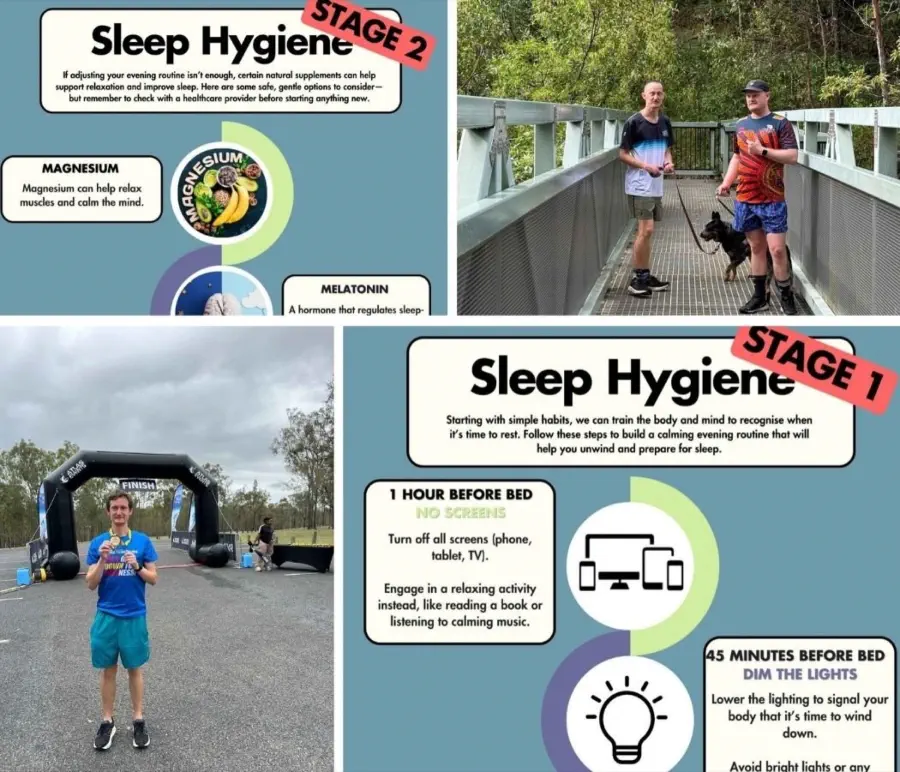
Tom struggled both to fall asleep, due to a racing mind and overstimulation before bed, and to stay asleep, waking frequently through the night. The fatigue affected his mood, motivation, focus and overall wellbeing.
Through The Horizons Method we built a structured, easy-to-follow sleep plan: a chronological wind-down guide for the hour before bed, a simple visual infographic, reduced screen time replaced with calming activities, consistent sleep and wake times, and gradual habit changes introduced one at a time so it never felt overwhelming.
Tom became more aware of the habits affecting his sleep and more open to change. He cut back on screen time, introduced calming pre-bed routines, found it easier to fall asleep and felt more rested in the mornings, with more energy for the things that matter.
One small, achievable change at a time, never overwhelming. Tell us what is getting in the way and we will help you tackle it.
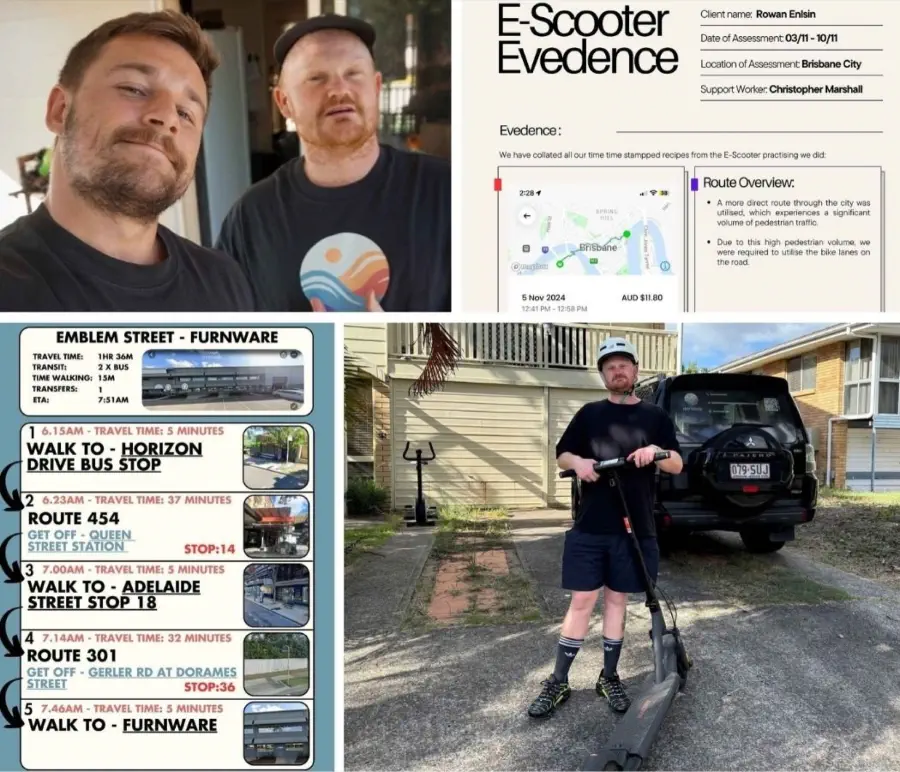
Rowan relied on long, inefficient travel to get to work, which made his commute stressful and tiring. He was unsure of public transport routes, depended on others for lifts, and had never used an e-scooter for commuting.
Through The Horizons Method we built a step-by-step plan: route practice sessions travelling together, custom easy-read transport cards, troubleshooting scenarios like a late bus, and gradually reducing support. We then assessed whether an e-scooter could be a faster, safer option, starting in quiet areas before busier ones and trialling his exact route.
Rowan now navigates public transport on his own with a clear plan to follow, and transitioned to using the e-scooter as his main transport on good-weather days. His travel time dropped, his flexibility grew, and his confidence managing travel stress improved significantly.
We will map out the goal together and build the step-by-step plan to get there, at a pace that suits the person.