If social and community participation feels harder than it used to, you are not failing. For many adults living with psychosocial disability, the hardest part is not knowing where to start. Big goals like “get out more” or “be more social” sound good on paper, but they can feel impossible on a rough week.
The good news is that NDIS community participation goals do not need to be big to be meaningful. The strongest goals are often the simplest ones, goals that reduce isolation, build confidence, and create steady progress in everyday life. In this guide, we will look at practical community participation goals for adults with psychosocial disability, and how the right support can help turn small steps into real momentum.
Why community participation goals matter
Community participation is about more than staying busy. It is about connection, routine, confidence, and having reasons to leave the house that actually feel safe and worthwhile.
For adults with psychosocial disability, isolation can build quietly. A cancelled plan becomes a habit. Anxiety around unfamiliar places grows. Confidence drops. Over time, even small community tasks can start to feel overwhelming.
That is why well-shaped NDIS community participation goals matter. Good goals create structure without pressure. They give participants something realistic to work toward, and they help families and support workers focus on progress that can actually be seen.
What good NDIS community participation goals look like
The best NDIS community participation goals are specific, practical, and linked to real life. They are not vague statements about being happier or more social. They describe what progress looks like in everyday situations.
Strong examples include:
- attend one regular community activity each week
- build confidence ordering at a café independently
- use public transport with support to attend a local class or appointment
- reconnect with a hobby or interest outside the home
- practice social skills in low-pressure settings
- develop a weekly routine that includes one planned outing
These goals work because they are concrete. They give the participant and support team something clear to aim for, and they can be adjusted up or down depending on energy, mental health, and confidence.
Community participation NDIS support should start small
One of the biggest mistakes people make is assuming community participation has to start with a busy group, a large event, or a full calendar. For many people with psychosocial disability, that approach backfires.
A better approach is to start small, and build from there.
That could mean:
1. Practising the lead-up, not just the outing
Sometimes the hardest part is not the activity itself. It is getting ready, leaving home, managing uncertainty, or recovering afterwards.
A support worker can help build the whole routine around community participation, including:
- planning the day before
- choosing comfortable clothes and sensory supports
- checking transport options
- using grounding strategies before leaving
- planning a calm return home
This kind of preparation is often what makes participation possible.
2. Choosing familiar, low-pressure environments
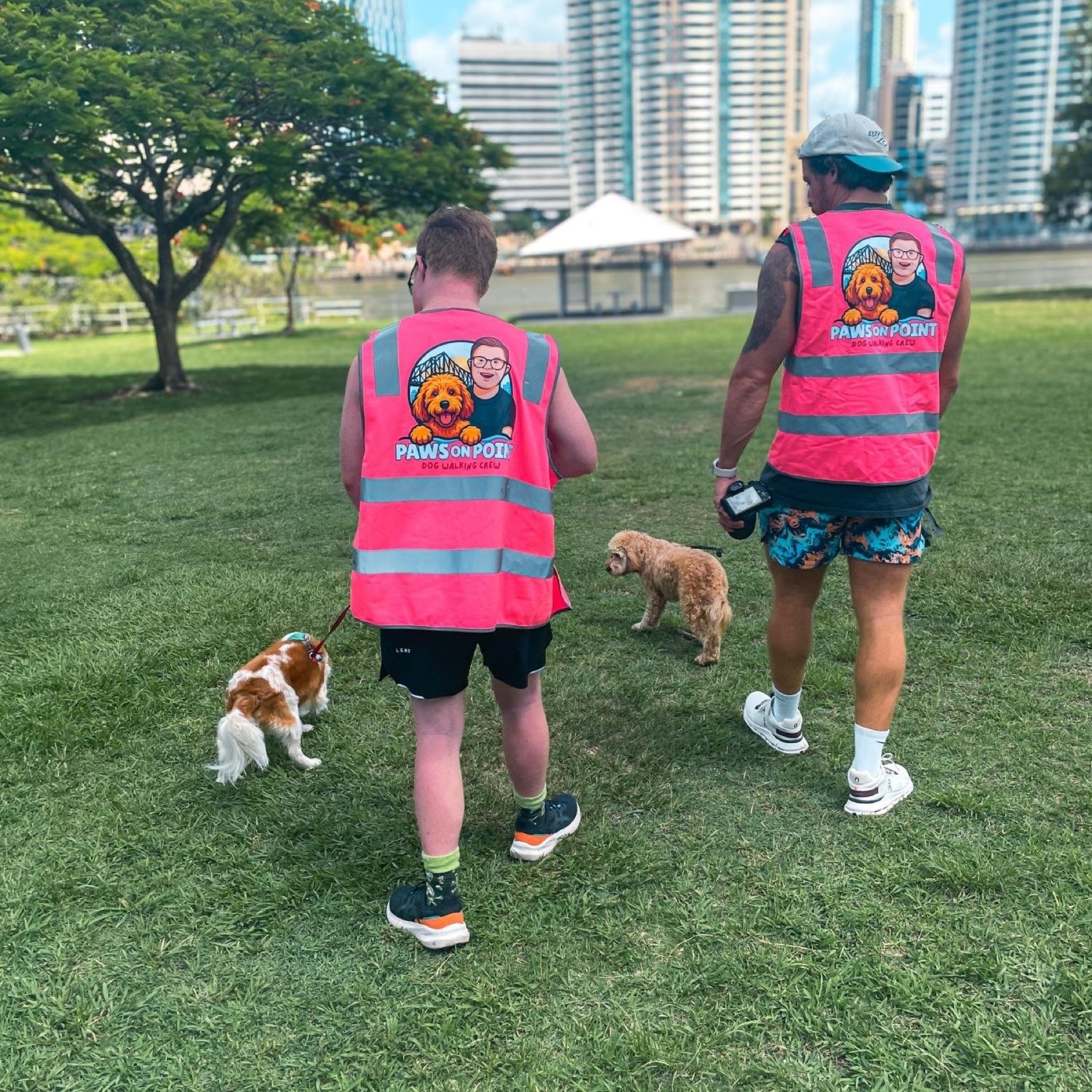
Not every outing needs to be a big social leap. A walk by the river, a quiet café, a small gym session, a local library visit, or a simple shopping trip can all be valid community participation NDIS activities when they are tied to confidence, routine, and independence.
The goal is not to force participation that looks impressive. The goal is to make community life feel more manageable and more normal.
3. Measuring progress in small wins
Progress may look like:
- leaving the house on time
- staying at an activity for 20 minutes instead of 5
- speaking to one new person
- asking for help when feeling overwhelmed
- returning to an activity after previously cancelling
These are real wins. They matter, especially when confidence has been low for a long time.
A real-life example of confidence building
Imagine someone named Jason who wants more connection, but has been avoiding group settings because of anxiety and past setbacks. A broad goal like “be more social” is not very helpful. It is too vague, and it puts pressure on the end result instead of the steps.
A better goal might be: “Build confidence attending one community-based activity each week with support.”
From there, the support can be broken into manageable stages:
- Week 1, choose an activity and visit the location briefly
- Week 2, attend for 15 minutes with full support
- Week 3, stay longer and practise a short interaction
- Week 4, review what felt safe, what felt hard, and what to repeat
That is how confidence grows. Not through one dramatic breakthrough, but through repeated experiences that feel achievable.
How Horizons supports community participation
At Horizons Support Network, we see community participation as a practical skill, not just a box to tick. It is about helping people build confidence in real settings, at a pace that respects their energy, preferences, and mental wellbeing.
That might mean support with:
- building a weekly routine outside the home
- practising transport and travel confidence
- trying fitness, recreation, or social activities
- reducing anxiety around unfamiliar places
- developing conversation confidence and everyday independence
- reviewing what is working and adjusting the approach
Our focus is not on pushing people into crowded programs that do not suit them. It is on finding the right environment, the right pace, and the right next step. For some people, that starts with a walk and a coffee. For others, it might be a hobby group, exercise session, or regular activity in the community. Both are valid.
This approach fits with The Horizon Method, which is built around practical progress, consistency, and confidence in daily life.
How to choose goals that actually help
If you are planning or reviewing supports, here are a few simple questions that can help shape better goals:
- What kind of community setting feels safest to start with?
- What usually gets in the way, transport, anxiety, energy, confidence, or something else?
- What would “small progress” look like over the next month?
- What support before and after the outing would make success more likely?
- How will you know the activity is helping, not just filling time?
These questions often lead to better NDIS community participation goals than generic wording ever will.
Reducing isolation takes structure, not pressure
People often talk about social isolation as if the answer is simply to get out more. Real life is not that simple. Reducing isolation usually takes structure, trust, repetition, and support that matches the person.
That is why the most effective community participation plans are realistic. They allow for slow weeks. They build around the person’s interests. They recognise that confidence often comes after action, not before it.
If the goal is to build a fuller life, then small, repeated experiences in the community can be incredibly powerful.
Take the next step with support that feels practical
If you or someone you care about wants to build confidence, reduce isolation, and create realistic community participation goals, Horizons can help. We provide three ongoing support-worker services: daily personal activities, independent living skills, and social and community participation. We also provide Short Term Respite as separate, planned support. We do not provide Support Coordination or Supported Independent Living (SIL).
Contact Horizons to learn how we can support your independence journey, and help turn small steps into steady progress.