What is NDIS life skills development?
NDIS life skills development is support that helps you learn to do everyday tasks yourself, so you can live more independently over time. You may also see it called "development of daily living and life skills", "independent living skills", or simply "daily living skills". They all describe the same idea: a support worker works alongside you to build the practical skills that everyday life asks of you, until you need less help to manage them.
NDIS funding is individual. Current NDIS guidance says Core Supports can fund support workers to help with regular tasks such as cooking, cleaning and personal care in a way that works towards a participant's goals. Capacity Building supports can include assessments, training or therapies that build living skills. The applicable budget depends on the plan and the support being delivered, so we check the current plan and service agreement rather than assuming one funding category.
At Horizons Support Network, we deliver NDIS independent living skills support right across Brisbane in a warm, plain-English, person-first way. We start with where you are, work at your pace, and build from there. The goal is the same one you have: more of life that you can handle on your own terms.
What does a life skills program cover day to day?
NDIS life skills programs are practical, and they are shaped around your goals, so no two look exactly the same. In day-to-day terms, the daily living skills we most often help people build include cooking and meal preparation, food shopping and writing a list, managing a simple weekly budget and understanding bills, using bank cards and online banking safely, cleaning and laundry and household routines, and the personal-organisation skills that hold a week together.
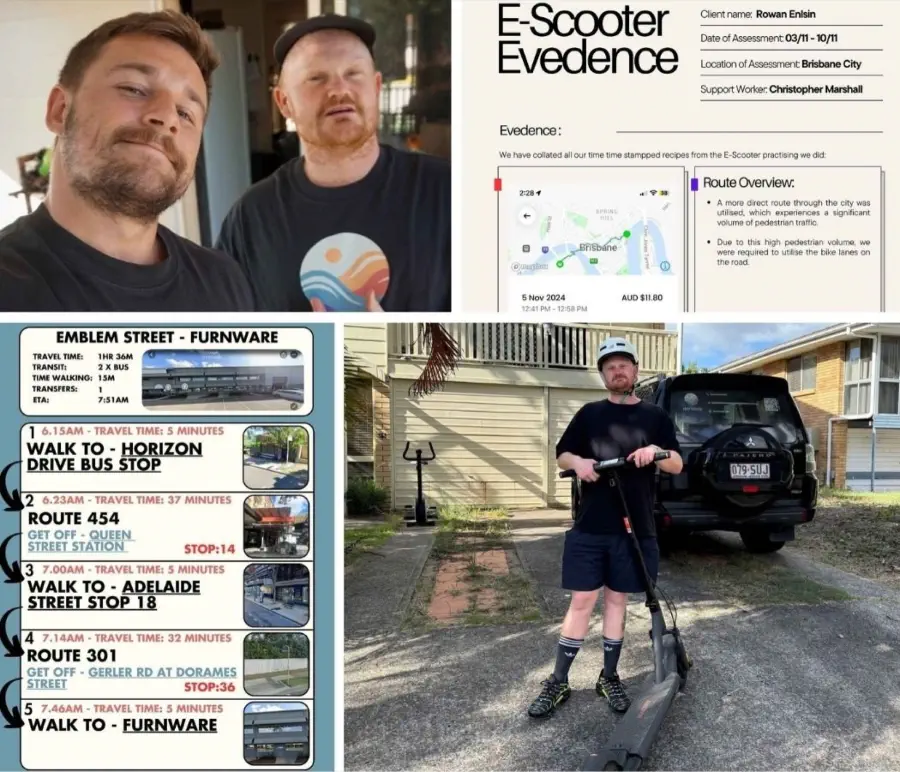
Travel and transport is a big one, and a favourite. Learning a bus or train route, building the confidence to travel solo, and practising what to do when a service is late can open up a whole new level of independence. We have walked routes alongside people, made easy-read transport cards, and slowly stepped back support until they were travelling on their own.
We also help with self-care skills and the structure that makes a week feel manageable: setting up a morning or evening routine, planning the week ahead, and breaking a big task into small, repeatable steps. The skills are the same building blocks for most people; the order, the pace and where we start are always yours to set.
The way we teach is hands-on and repeated. We do it together, then you do more of it with us nearby, then you do it yourself and we check in. We make simple tools along the way, like visual guides, step-by-step cards and easy weekly plans, so the skill sticks once our support steps back. This is the heart of The Horizons Method: small wins, real practice, and celebrating progress as confidence grows.
Independent living skills vs daily personal care: what is the difference?
This is the distinction worth getting clear, because the NDIS treats these as two separate supports, and people often blur them.
Independent living skills (life skills development) is about LEARNING to do a task yourself. A worker supports you to build the skill: they show you, practise it with you, and gradually do less as you do more. The current NDIS pricing schedule includes a specific Skill Development and Training item under Improved Daily Living. Core Supports can also fund support workers helping with regular tasks in a way that works towards a participant's goals. The plan and the support actually delivered determine which description fits.
Daily personal activities is about a worker DOING a personal-care task with you or for you, now, because you need that hands-on help. Think showering, dressing, grooming, toileting and eating: the personal-care side of the day. It is a different service purpose from skill development. Even when Core funds support-worker help with both kinds of task, the service agreement should describe whether the worker is providing ongoing assistance or structured skill-building.
A quick example shows the line. If a worker helps you learn to plan and cook your own meals, shop for the ingredients and clean up after, that is independent living skills. If a worker helps you shower and get dressed in the morning, that is daily personal care. The two can sit side by side in the same plan, but they should be described and agreed separately. The applicable budget still depends on the plan and the support delivered. If hands-on personal care is what you are looking for, our daily personal activities page covers that support in full, and we are happy to talk through which one fits your situation.
How can the NDIS fund life-skills support?
There is not one funding answer for every life-skills session. The current NDIS pricing schedule includes a Skill Development and Training item under Improved Daily Living. Current participant guidance also says Core Supports can fund support workers to help with regular tasks such as cooking and cleaning in a way that works towards the participant's goals.
The right budget depends on the participant's plan and what the worker will actually do. Before support begins, check the available budget, any stated funding and the service description with the relevant NDIS contact, support coordinator or plan manager.
Horizons is a provider, not the NDIA. We do not decide what a plan includes, promise that a support will be funded or move money between budget types. We agree the actual support and service description with the participant before delivery.
One more useful thing to know, the same as with cooking support generally: the NDIS can fund a worker's time to help you build a skill like meal preparation, but it does not pay for the cost of the food, the groceries or the bills themselves. The support is the teaching and the helping hand, not the shopping.
Who is NDIS life skills development for?
Life-skills support may suit a participant whose goals and current plan include practical skill-building, and who wants to do more of everyday life themselves. That can include young adults moving towards living independently, people preparing to move out of the family home, and anyone rebuilding confidence and routines after a change in their circumstances.
It is a good fit when the goal is growth: when you, or the person you care for, want to learn to cook, manage money, travel solo, keep a home running or hold a weekly routine together, with support that fades as the skill grows. Horizons supports self-managed and plan-managed participants only; we do not support NDIA-managed participants. A funded Support Coordinator can help you understand and implement the support, while a plan manager can help with budget, invoice and payment questions. If you are not sure, we are happy to explain our role and point you in the right direction.
How does a Horizons life skills program actually work?
We keep it simple and we keep it real. We start by working out what is getting in the way of independence, the genuine barriers in everyday life, then we get to know the person and how they like to learn. We plan it together, shape practical and achievable steps around the goal, and where it helps we work alongside your OT, support coordinator or physio so their guidance carries through into daily practice. We are support workers, not therapists, so the clinical guidance stays with your allied health team and we help put it into action day to day.
Then we make what helps, the visual guides, step-by-step plans and everyday routines, and we put it into practice in real life, adjusting until it works. And we celebrate the wins, because progress that gets noticed is progress that sticks. That is The Horizons Method, and it is exactly how Rowan built the confidence to travel independently and how others have learned to manage cooking, money and routines they once found overwhelming.
Above all, our approach is to support, not to take over. Wherever you can already do something, we make space for that and step in only where you want a hand. Building skills you can keep is the whole point of the support.
Where in Brisbane do you provide life skills support?
We are a Brisbane-based, family-run team, supporting participants across the city and surrounding suburbs. That includes inner-south areas like South Brisbane, West End, Woolloongabba and Kangaroo Point, and out across suburbs such as Mount Gravatt, Sunnybank, Carindale, Chermside and beyond. If you are nearby, there is a good chance we can help. We keep continuity in mind, so you are learning with a familiar face rather than re-explaining your goals to someone new each visit, because trust and consistency are part of how skills actually get built.
How do I get started with life skills development?
Getting started is a conversation, not a commitment. You can call us on 0450 780 086 or send an enquiry, and we will talk through what you would like to work on, what your plan includes, and how we might help. If it is a good fit, we will shape a life skills program around your goals, your routine and your pace, and adjust it as your confidence grows. There is no pressure and no obligation, just a friendly chat about what living more independently could look like for you.
For support coordinators
HORIZONS Support Network is a non-registered NDIS provider in Brisbane supporting self-managed and plan-managed participants only; HSN does not provide support coordination.
The participant chooses their providers, and there are no referral rewards.
With the participant's consent, send your organisation, role, a contact method, plan management type, the person's diagnosis or disability, and a brief outline of support needs; please leave out NDIS numbers and surnames.
Refer someone