Daily living skills are everyday tasks people practise so more of home life can be done with less hands-on help: cooking, cleaning, travel, money and routines. In Brisbane, Horizons delivers that practice as independent living skills support for self-managed and plan-managed participants. This guide shows what the practice can look like. It does not replace the participant's plan or promise that a support will be funded. Last checked: 30 September 2026.
Start with one everyday task that matters to you
Independent living skills support under the NDIS refers to funded assistance that helps a participant build practical, everyday abilities, not just complete tasks for them. The goal is always growth: that the person can, over time, do more for themselves with less help, or do the same things with more confidence and less stress.
Current NDIS guidance on using funding says Core Supports can fund support workers to help with regular tasks such as cooking and cleaning in a way that works towards the participant's goals. The current NDIS pricing schedule also includes a specific Skill Development and Training item under Improved Daily Living. The right budget depends on the participant's plan, goals and the support being delivered, so check the current plan with the relevant NDIS contact, support coordinator or plan manager.
This kind of support can span a wide range of areas:
- Cooking, meal planning and kitchen safety
- Household routines including cleaning, laundry and basic home maintenance
- Managing a personal budget and handling money
- Public transport confidence and travel training for more independent transport
- Self-care routines and personal organisation
- Communication and self-advocacy
- Planning and organising the week ahead
What these have in common is that they are practical, repeatable, and build real confidence when practised consistently over time.
A practical way to build a new life skill
The most effective approach to developing life skills through NDIS support is a steady, structured one. Support workers at Horizons start by understanding what the participant's actual goals are, not just what appears on the NDIS plan, but what would genuinely make a week feel more manageable or more meaningful.
From there, the approach is to break bigger goals into small, achievable steps and practise them in real settings. Someone learning to cook does not start by preparing a three-course meal; they might start by learning how to safely use the stove, then move to simple recipes, then eventually plan a week of meals and do a supermarket run independently.
There are a few things that make this approach work well in Brisbane's context:
- Consistent support workers. Learning a new skill takes repetition, and repetition requires trust. When a participant has the same support worker week after week, the relationship allows for honest feedback, patient coaching, and real accountability.
- Real-life practice environments. Skills learned in the home, on public transport, in local shops, and in the community are far more transferable than skills learned in a classroom. Brisbane offers excellent community infrastructure for this: markets, libraries, parks, public transport, and local services all become natural training grounds.
- A plan that reflects the person's goals. Every participant has different priorities. Some want to cook independently; others want to manage their own finances or catch the train without support. Shaping practice around those specific goals keeps the work relevant to the participant.
Families and support coordinators can help by being specific about which skills matter most and where the person currently needs the most guidance.
One-to-one and group approaches: how they differ
Brisbane families can choose group life-skills programs or one-to-one support in the person's home and community. Horizons delivers independent living skills one-to-one, with the same named worker, in the settings the person actually lives in.
Group programs may suit participants when the social element is part of the goal: building confidence around other people, practising turn-taking and communication, or taking part in a regular shared routine. The right format depends on the person's goals, preferences, plan and the available support.
One-on-one support from a dedicated support worker is better suited to building very specific skills in a participant's actual environment, handling the stove in their own kitchen, catching the specific bus route they need to reach their GP, or building the exact household routines that fit their home.
At Horizons, our independent living skills support is primarily delivered one-on-one, in the participant's home and the local community. We prioritise consistency, meaning you get the same worker regularly, so trust builds and skill-building can happen without having to start over with a new face each week.
Everyday tasks that can become practical goals
The NDIS refers to this support category as "Development of Daily Living and Life Skills," and it covers a broader range than most people realise. It is not limited to personal care; it extends to any area of practical life where building greater independence is a meaningful goal.
Some of the everyday tasks that participants commonly work on with a Horizons support worker include:
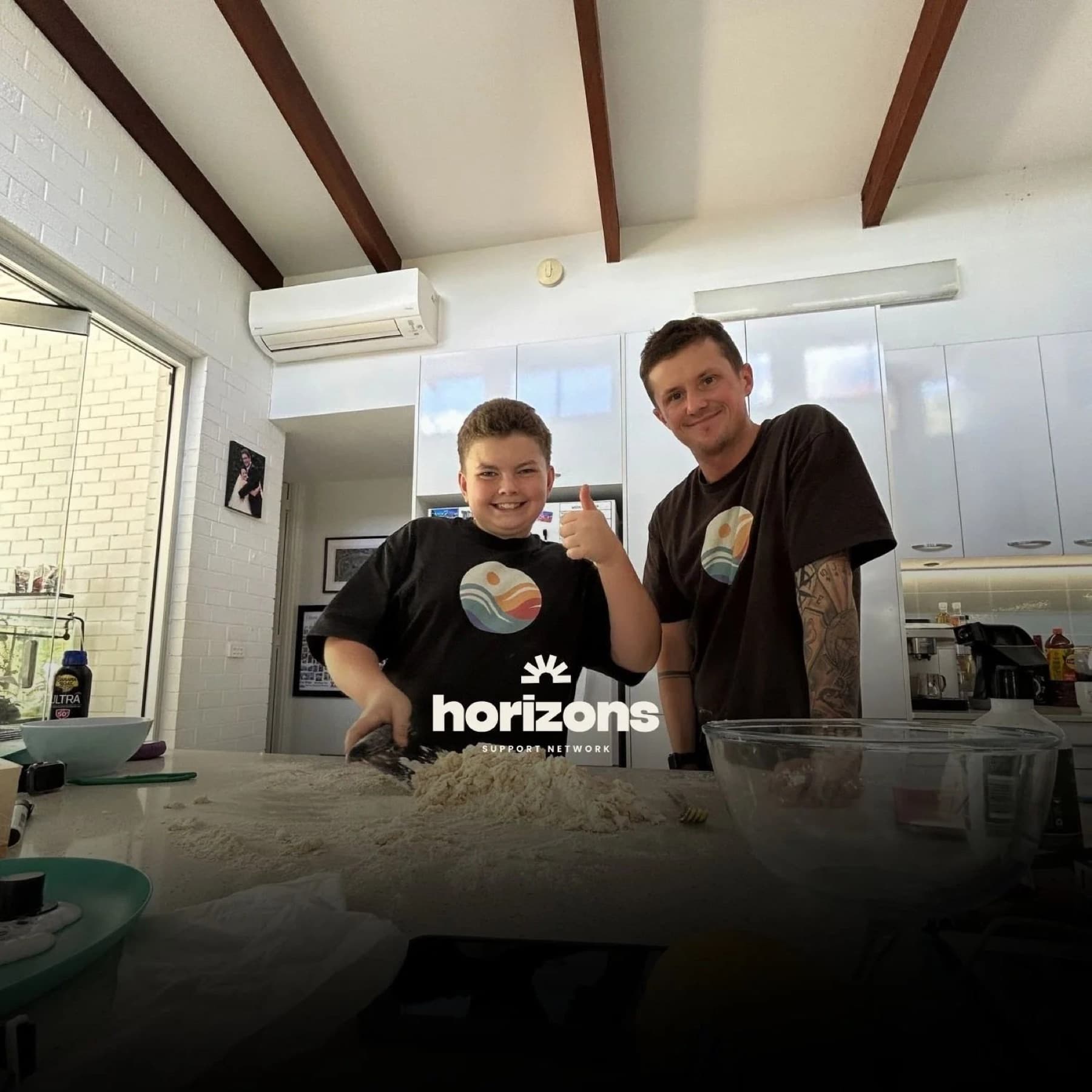
- Kitchen skills: learning to cook safely, plan meals, read labels, and reduce reliance on convenience food
- Transport confidence: building familiarity with bus and train routes, using the go card, and travelling independently to regular appointments or activities
- Money management: budgeting for a week, understanding receipts, using a bank card, and avoiding financial pressure
- Home organisation: creating cleaning schedules, managing laundry, and keeping a home safe and tidy with decreasing support over time
- Health routines: building habits around medication, appointments, sleep and physical activity
- Social communication: practising how to ask for help, make phone calls, interact with shop staff, and handle everyday conversations
These are not abstract skills. They are the building blocks of a good week, and improving in even one or two of them can make a significant difference to how independent and confident a person feels day to day.
If work is one of the participant's goal areas, our supported employment guide explains the specialist pathways and questions to ask. Horizons is not an employment service, so formal employment support should come from an appropriately qualified provider.
How a practical session can work
NDIS life skills training sessions at Horizons are practical, not classroom-based. A typical session might look like this:
A support worker arrives at a participant's home and spends the first few minutes checking in about the week, what went well, what was difficult, and what today's focus is. They then work alongside the participant on a specific task, which could be cooking a meal, sorting household finances, planning an outing, or practising a bus journey.
The worker's job is not to take over. They prompt, suggest, model, and encourage. If something goes wrong, they help the participant problem-solve rather than jumping in to fix it. The goal is always to leave the participant a little more capable and confident than before the session.
Over a series of sessions, a skill that felt overwhelming can become routine. Participants often describe the feeling of doing something independently for the first time, whether it is cooking a meal without help or making a doctor's appointment on their own, as one of the most meaningful moments in their support journey.
How to review progress without a fixed timeline
Progress looks different for every participant and every skill. A useful review focuses on what the person can now do, what still needs prompting, what feels safer or less stressful, and whether the goal still matters to them. It should not promise a result by a particular week or month.
For one person, progress may mean completing one part of a meal with less prompting. For another, it may mean planning a familiar trip, asking for help at the right time, or taking a larger role in a household routine. Small, observable changes can guide the next step without turning support into a race.
The key factors that predict good progress are:
- A specific, agreed goal that the participant actually cares about
- Consistent sessions with the same support worker
- Practice between sessions, even small amounts
- Regular check-ins to adjust the approach if something is not working
At Horizons, review conversations are part of the support relationship so goals can change as the participant's needs, confidence and priorities change. Good support adapts rather than holding someone to an arbitrary timetable.
Using community settings for practical practice
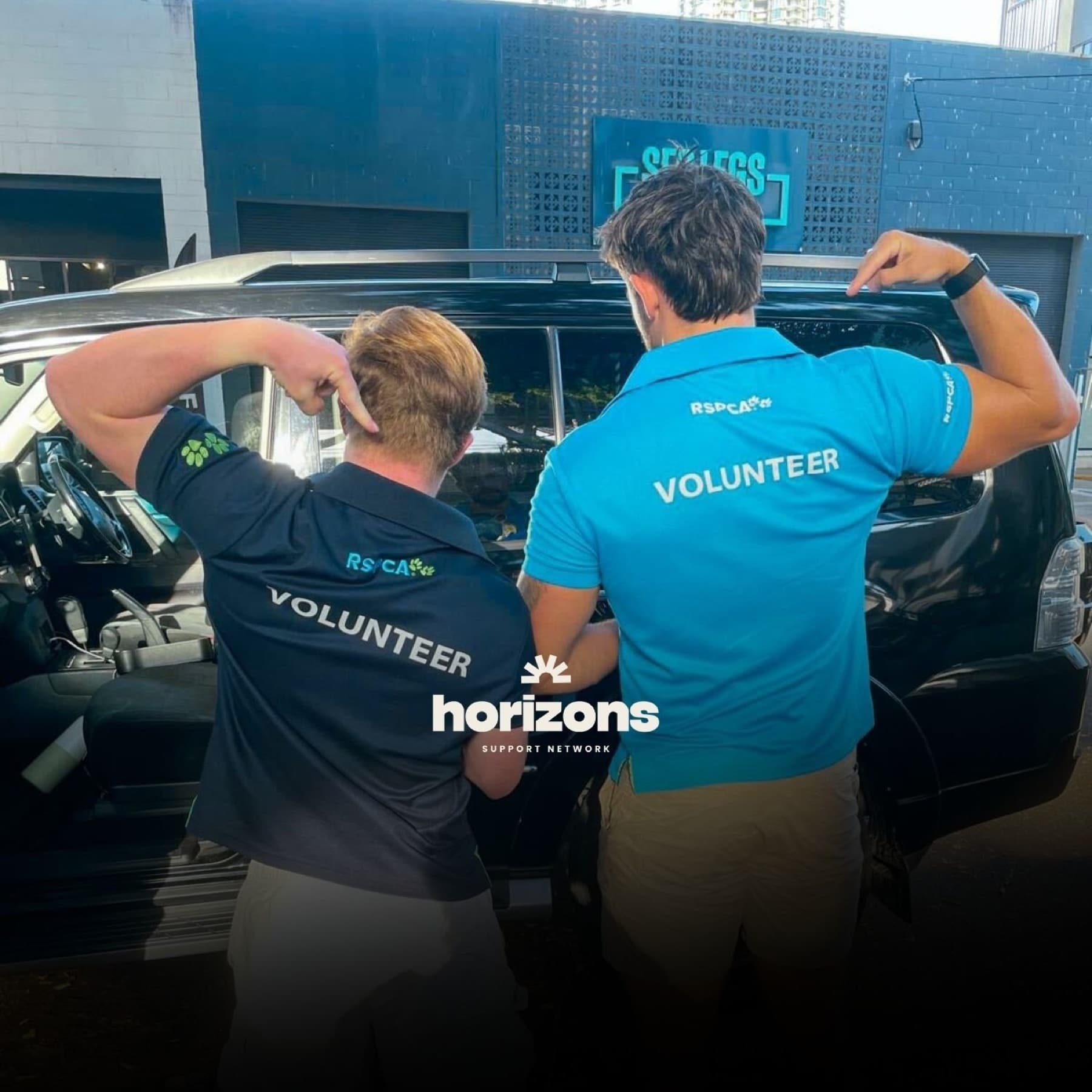
Community settings can give participants another place to practise problem-solving, communication and routines. Catching a familiar bus, visiting a library or shopping for ingredients can turn an everyday outing into practice connected to a real goal.
Brisbane makes this relatively straightforward. There is strong public transport across the inner suburbs, excellent markets and community spaces, and a growing range of accessible activities across the city. We often work with participants to use these community resources as part of their independent living skill-building, so a trip to the local supermarket becomes both a practical errand and a structured learning experience.
Community-based practice can feel more relevant when it has a real-world purpose, such as going somewhere the participant chose, buying food they enjoy, or visiting a place that matters to them. For more practical NDIS answers, see the resource library.
Common questions about practising independent living skills
What should I check before a support worker helps me practise a skill?
Check that the participant's current plan has an available budget for the support and that the service description matches what the worker will actually do. Core Supports may fund help with regular tasks towards goals, while the pricing schedule also includes a Skill Development and Training item under Improved Daily Living. Confirm the fit with the relevant NDIS contact, support coordinator or plan manager before services begin.
What formats can life-skills support take?
Life-skills support can include structured group programs or one-to-one support in a participant's home and community. Approaches vary in staffing, settings and the skills they focus on. When comparing options, ask how goals are set, where practice happens, how progress is reviewed and whether participants have consistency with the same support workers.
How do I know if independent living skills support is in my NDIS plan?
Check the current plan for the available budgets and any stated funding. The support description needs to match what will actually be delivered. A plan manager, support coordinator or NDIS contact can help confirm whether a proposed support fits the participant's plan before it begins.
How long does it take to build independent living skills with NDIS support?
There is no reliable universal timeline. It depends on the skill, the participant's starting point, how often they want to practise, and what else is happening in their life. Agree on an observable next step, review it regularly, and adjust the approach without promising a result by a set date.
Can a non-registered NDIS provider deliver independent living skills support?
Yes, if your NDIS funding is self-managed or plan-managed. Horizons Support Network is a non-registered provider, which means we support participants who manage their own plan or work with a plan manager. We do not support NDIA-managed participants. If you are unsure how your plan is managed, your plan manager or NDIA contact can confirm this quickly.
What is the difference between independent living skills support and daily personal activities support?
Daily personal activities support focuses on physical assistance with personal care tasks: help with showering, dressing, grooming, and mobility. Independent living skills support focuses on building ability and confidence in broader life tasks, cooking, money, transport, household management, and community participation. Many participants access both. They are different service purposes, but the applicable budget depends on the participant's plan and the support actually delivered.
Do I need to live alone to access independent living skills support?
No. Independent living skills support is relevant whether a participant lives alone, with family, or in a shared living arrangement. The focus is on building the person's own skills and confidence, regardless of who else lives in the home. Many participants who live with family members access this support specifically so that they can gradually take on more tasks themselves, reducing reliance on informal carers over time.
How does Horizons approach independent living skills support in Brisbane?
At Horizons Support Network, we work to match each participant with a consistent, named support worker who works with them one-on-one in their home and local community. We start by understanding the participant's specific goals, not just the plan's wording, and build a practical session structure around what they actually want to achieve. We aim to keep the same worker involved so the participant does not need to restart the relationship each week. To find out more about our service, visit independent living skills support in Brisbane or contact us for a no-pressure conversation.
When you are ready to take the next step, start with NDIS support in Brisbane and we will talk through how life skills sessions can fit around your goals and routine. If you want a named worker nearby, check support availability.