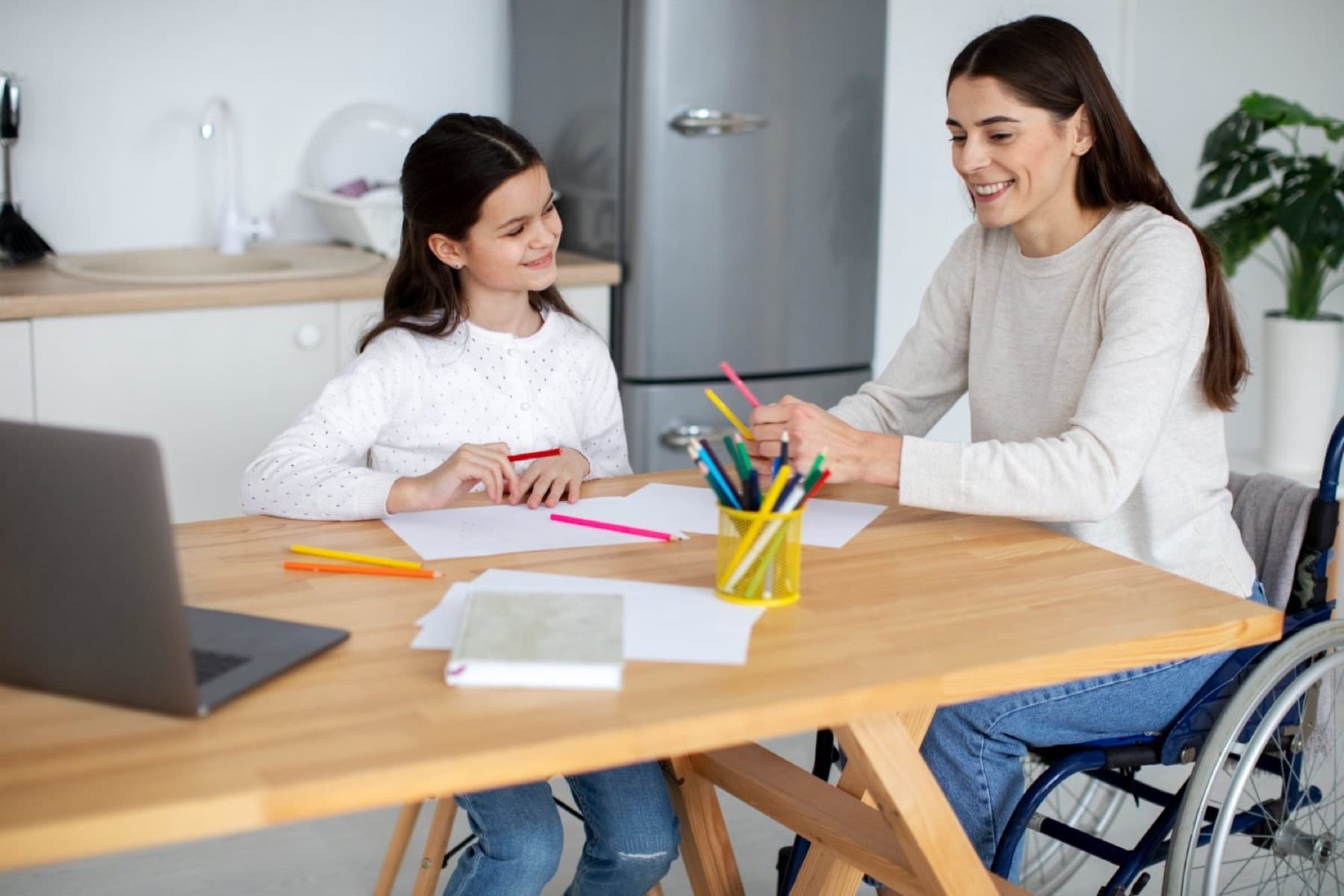
Learning to cook and prepare meals is more than just a daily task; it's a pathway to independence, better health, and confidence. For NDIS participants, developing cooking skills and meal preparation abilities can transform daily life, opening doors to greater autonomy and wellbeing. With the right NDIS support, participants can build these essential life skills in a way that suits their goals, abilities, and lifestyle.
Why Cooking Skills Matter for NDIS Participants
Cooking is a fundamental life skill that impacts multiple areas of wellbeing. When NDIS participants develop meal preparation abilities, they gain control over their nutrition, reduce reliance on pre-packaged foods, save money, and enjoy the satisfaction of creating their own meals. Beyond the practical benefits, cooking can boost self-esteem, provide opportunities for social connection, and support better health outcomes.
For many participants, cooking represents independence. The ability to make a simple breakfast, pack a healthy lunch, or prepare dinner builds confidence that extends into other areas of life.
How NDIS Support Helps Build Cooking Skills and Meal Preparation Confidence
NDIS funding can support cooking skills development through several pathways, primarily under capacity building supports. This means funding is directed toward teaching skills rather than doing tasks for participants.
Capacity Building in the Kitchen
Support workers trained in capacity building focus on teaching rather than taking over. They work alongside participants to develop skills step by step, adapting teaching methods to individual learning styles and abilities. This might include:
- Breaking down recipes into manageable steps
- Teaching knife skills and food safety
- Practicing measuring and following instructions
- Building confidence with kitchen appliances
- Developing meal planning and shopping skills
Adaptive Strategies and Equipment
Every person has different strengths and challenges. NDIS support can help identify and implement adaptive strategies that make cooking accessible. This might involve assistive technology like adapted utensils, visual recipe cards, timers, or modified kitchen layouts. Support workers help participants find solutions that work for their specific needs.
Nutrition Education and Meal Planning
Understanding nutrition and planning balanced meals is just as important as the physical act of cooking. NDIS support can include education about healthy food choices, reading labels, budgeting for groceries, and creating meal plans that align with dietary needs and preferences.
Building Skills at Your Own Pace
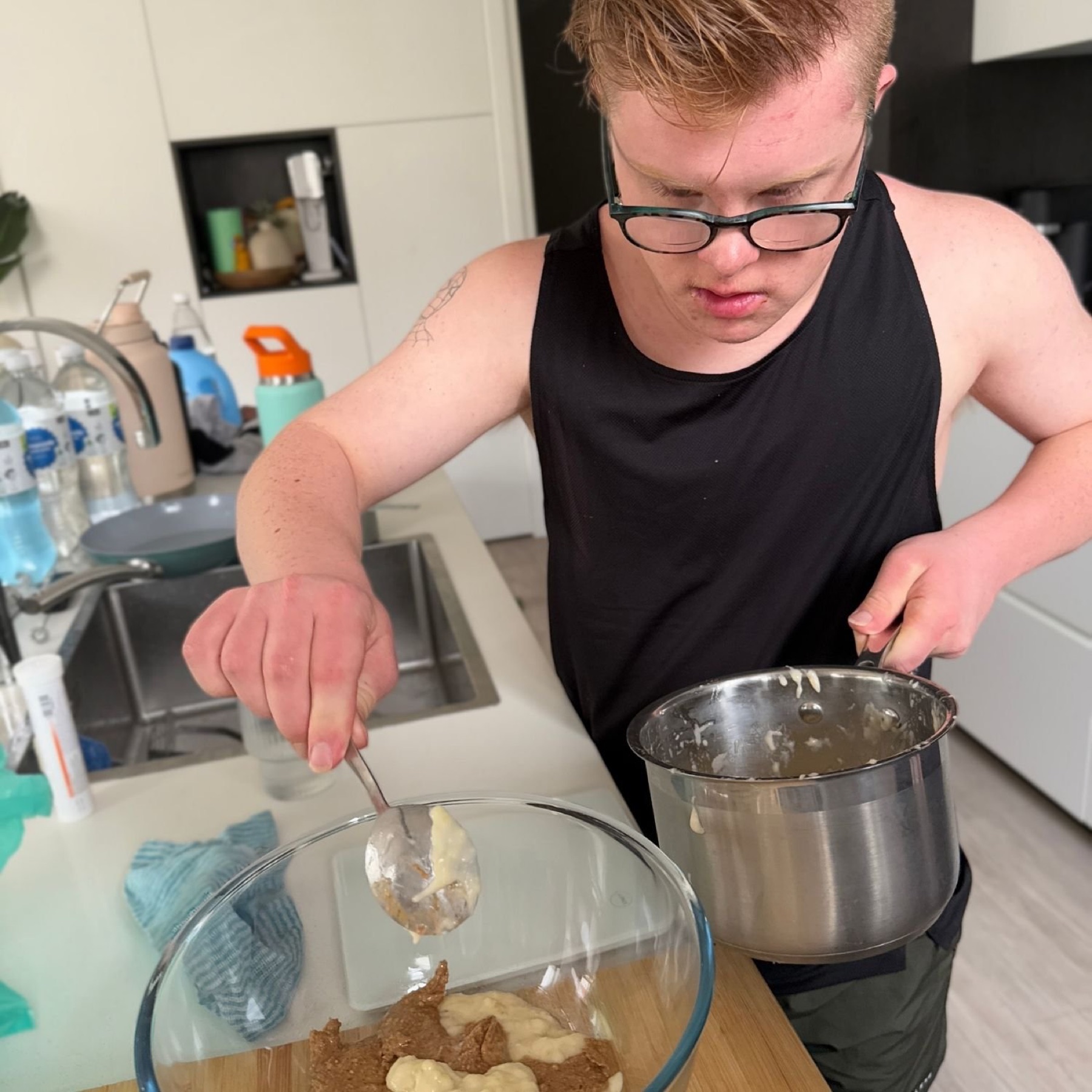
The beauty of NDIS capacity building support is that it's individualized. Some participants might start with basic skills like making toast or a sandwich, while others might be ready to tackle more complex recipes. The pace and complexity are always matched to the participant's current abilities and goals.
Progress might look different for everyone. For one person, success might be independently making breakfast each morning. For another, it might be planning and preparing a week's worth of meals. Both achievements are equally valuable and worth celebrating.
The Social Side of Cooking
Cooking doesn't have to be a solitary activity. Many participants enjoy cooking as a social experience, whether that's preparing meals with family, hosting friends for dinner, or participating in group cooking programs. NDIS support can facilitate these social opportunities, helping participants build both skills and connections.
Overcoming Common Barriers
Many NDIS participants face barriers to cooking, including physical limitations, cognitive challenges, sensory sensitivities, or simply lack of experience. Professional NDIS support workers understand these barriers and know how to work through them creatively.
Physical barriers might be addressed through adapted equipment or kitchen modifications. Cognitive challenges can be supported with visual aids, routines, and repetition. Sensory sensitivities might require gradual exposure or alternative techniques. Whatever the barrier, there's usually a solution.
Real Skills, Real Independence
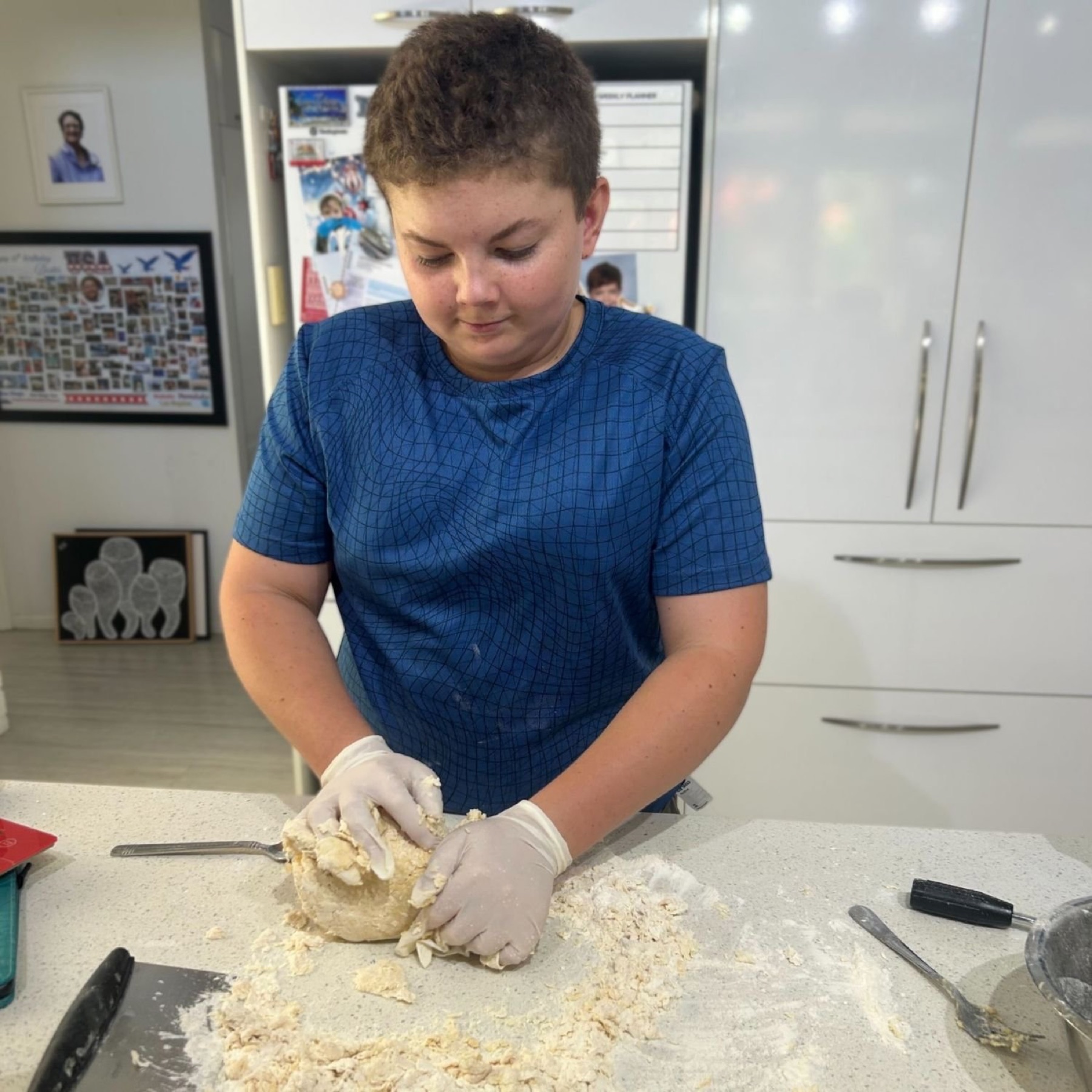
The ultimate goal of cooking skills support is genuine independence. As participants develop confidence and competence, they rely less on support and more on their own abilities. This gradual shift toward independence is empowering and aligns with the core philosophy of the NDIS.
Support workers track progress, adjust teaching strategies, and celebrate milestones along the way. They work collaboratively with participants to set goals and create pathways to achieve them.
Getting Started with NDIS Cooking Support
If you or someone you support wants to build cooking skills and meal preparation confidence through NDIS funding, the first step is reviewing your plan. Capacity building funds can often be allocated to cooking skills development, particularly under Improved Daily Living or Increased Social and Community Participation categories.
Working with a provider experienced in capacity building ensures you receive quality support that truly builds skills rather than creating dependency. Look for providers who emphasize participant choice, goal-directed support, and evidence-based teaching methods.
Your Kitchen, Your Independence
Cooking skills and meal preparation abilities are life-changing for NDIS participants. With the right support, anyone can develop the confidence and competence to create meals that nourish both body and spirit. The journey from dependence to independence in the kitchen is one worth taking.
For everyday practice across cooking, transport, home and money skills, read our guide to building independent living skills with NDIS support in Brisbane.
If the visit is disability-related help with the home rather than learning to cook, read Help with the house.
At Horizons Support Network, we're passionate about capacity building that creates real, lasting change. Our experienced support workers help NDIS participants develop cooking skills and meal preparation confidence at their own pace, with strategies tailored to individual needs and goals.
Ready to build your cooking skills and meal preparation independence with NDIS support?
Contact Horizons Support Network today at 0450 780 086, or start with NDIS support in Brisbane to learn what getting started looks like for you.